
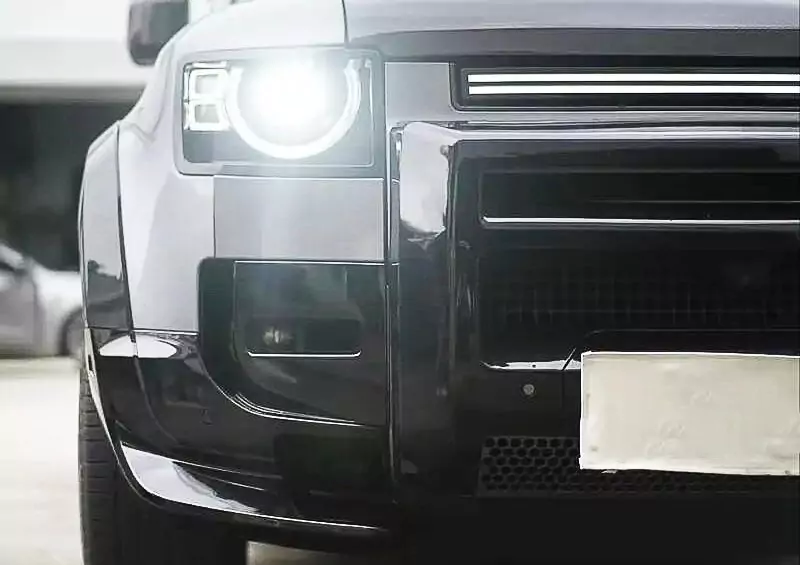
Owning a Land Rover comes with a sense of adventure and pride. But when a warning light pops up on your dashboard, that pride can quickly shift into panic.
The good news is that many alerts are easier to understand (and sometimes even fix) than you might think, and with a little know-how, you can interpret what your Land Rover is trying to tell you before you rush off to the mechanic.
At Trax Parts and Accessories, we believe in empowering Land Rover enthusiasts to feel confident behind the wheel, so here’s a handy guide to diagnosing the most common warning lights at home.
The Check Engine Light
The amber “check engine” light is probably the most infamous of all warning lights. While it could indicate something serious, many times it’s triggered by simple issues like:
- A loose or faulty fuel cap
- A misfiring spark plug
- A minor sensor glitch
Start by checking your fuel cap. If it’s loose or cracked, tightening or replacing it may solve the problem. If the light persists, an inexpensive OBD-II scanner (widely available online) can help you read the diagnostic codes directly. This small tool plugs into your vehicle and gives you a clearer idea of what’s going on.
Oil Pressure Light
A red oil can symbol is telling you that you have low oil pressure, and this one demands immediate attention. Driving with low oil pressure can damage your engine.
Check your oil level using the dipstick. If the level is low, top it up with the correct oil type recommended for your model. If the light stays on even with proper oil levels, don’t drive the vehicle until it’s inspected, as this could point to a failing oil pump or blocked oil passages.
Battery Warning Light
When the battery symbol lights up, it’s easy to assume the battery is dying. But this warning actually points to your vehicle’s charging system. It could be the alternator, the voltage regulator, or a loose connection.
Inspect the battery terminals for corrosion or loose wires, and know that giving the terminals a quick clean with a wire brush may do the trick. If your Land Rover struggles to start or its lights dim while driving, it’s best to have the charging system tested.
ABS Light
The Anti-lock Braking System (ABS) light is there to alert you if the system that prevents wheel lockup isn’t functioning properly. While your standard brakes will still work, your ability to brake safely in emergencies could be compromised.
Ensure the wheel sensors (located near the brake discs) are clean and free of debris. Sometimes mud, especially on off-road adventures, can interfere with their function.
Tyre Pressure Monitoring System (TPMS)
The TPMS light looks like an exclamation mark inside a horseshoe. It warns you when your tyres are under-inflated. For Land Rover drivers who switch between on-road and off-road terrains, this light can be a frequent companion.
Use a quality tyre pressure gauge to check each tyre, including the spare. Adjust pressure according to the manufacturer’s guidelines for your current driving conditions.
When in Doubt, Get Expert Help
These checks give you a strong starting point to diagnose common issues, but they don’t replace professional expertise. Warning lights should never be ignored; catching problems early can save you costly repairs down the line.
At Trax Parts and Accessories, we’re not only passionate about sourcing the best Defender modifications and parts, but also about helping our community of Land Rover enthusiasts get the most from their vehicles. If a warning light has you puzzled, don’t hesitate to reach out.
We’re here to keep your Land Rover running at its best.


